
Keep the lights, fridge and Wi-Fi on when the grid goes down. Add battery backup to the solar you already own, or install Powerwall on its own with no panels.
Do you already have solar panels?
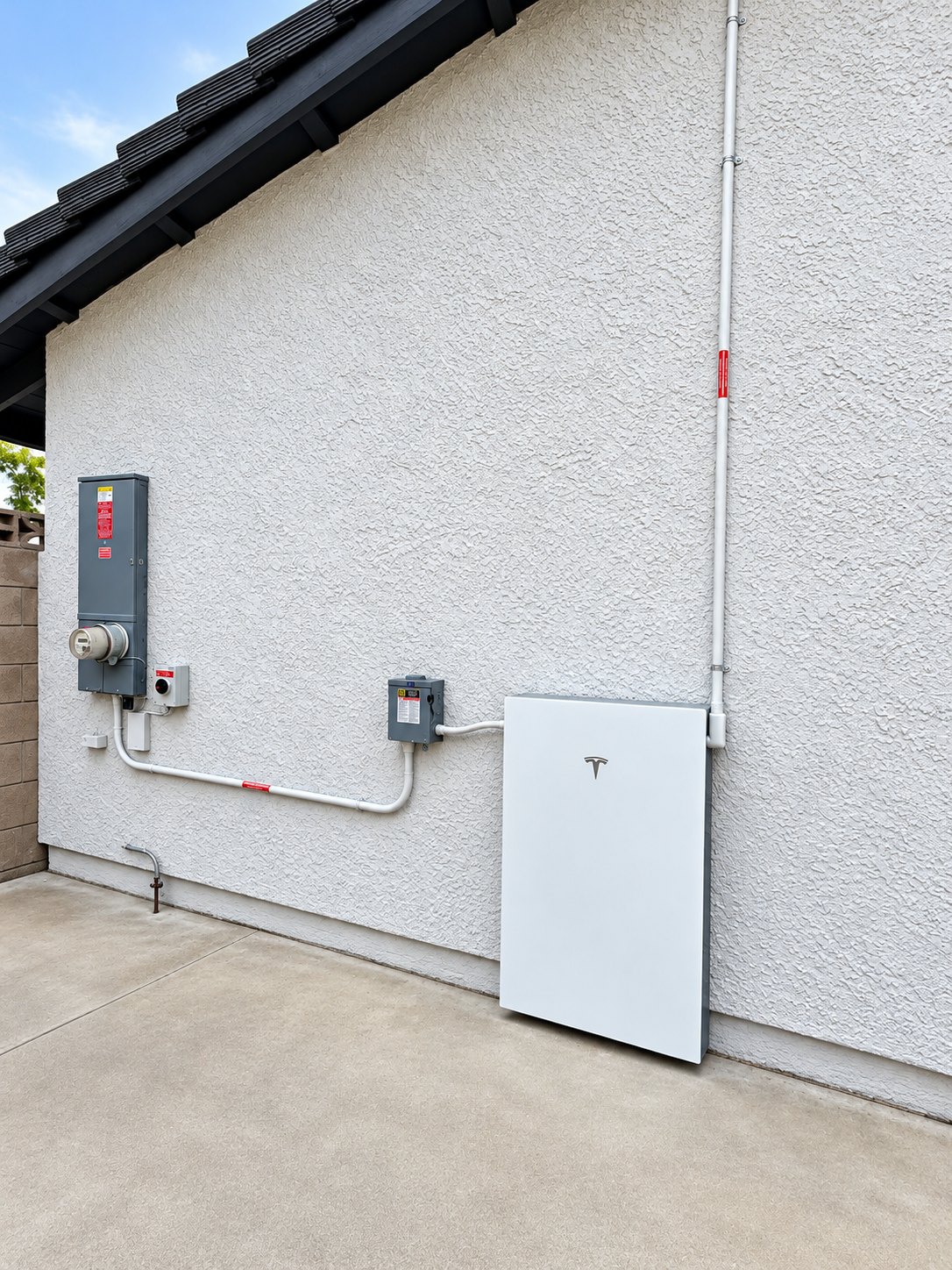
Most of our Powerwall customers fall into one of two groups. Pick yours to see what the installation looks like.
Your panels keep working the way they do today. Powerwall stores what they make so you have power at night and during outages. Works with systems from other installers, and with owned, leased or PPA solar after the lease company approves it.
How it works with my solar →Powerwall 3 charges from the grid, holds a full charge and takes over automatically when the power goes out. It's quiet, needs no fuel, and is ready for solar later if you want it.
How standalone backup works →Without a battery, most grid-tied solar systems shut off during an outage, even on a sunny day. Powerwall 3 changes that. Your panels can keep recharging the battery while the grid is down, and the energy you make at noon can run your home in the evening.
We add the battery without replacing the solar system you already paid for. Before we quote, we check your inverter, solar size, main panel and utility billing plan so the design fits what's on your house.
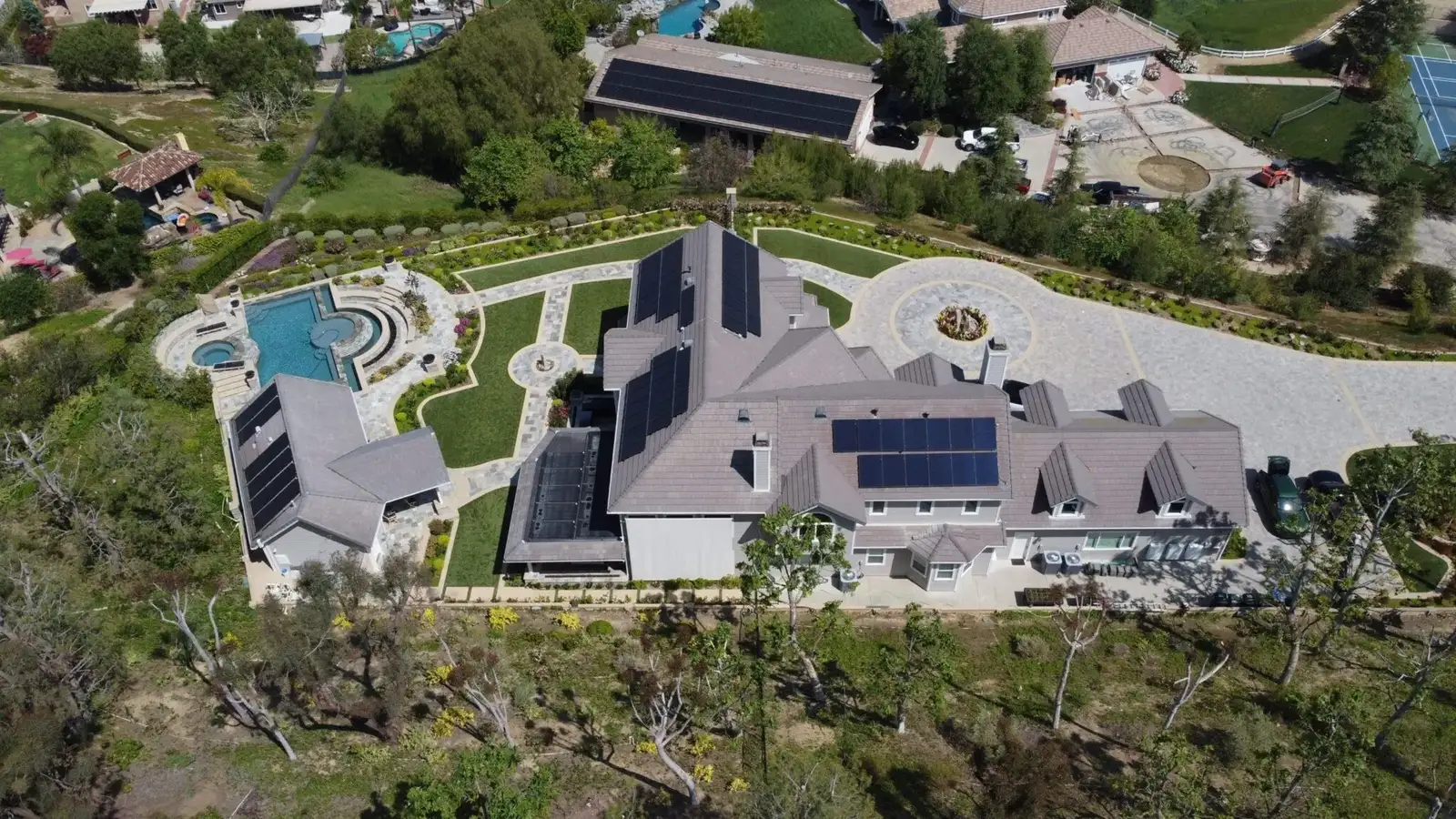
With Powerwall and a backup gateway or switch, your home separates from the grid and your panels can keep charging the battery during daylight. Multi-day outages become manageable.
Store daytime production and use it during the evening hours when time-of-use rates are highest, instead of sending it all to the grid for a lower credit.
Powerwall 3 connects to existing solar from other inverter brands on the AC side. No need to tear out working panels or an inverter that's still under warranty.
Many homeowners are on older NEM plans they want to keep. We design the battery interconnection with your utility's rules in mind and explain what, if anything, changes before you sign.
Tesla limits how much existing solar can sit on the backup side of each Powerwall 3 (about 7.68 kW AC per unit, more with an Expansion pack). We check your system size so outage backup works as designed.
Planning more panels later? Powerwall 3 has a built-in solar inverter with six inputs, so new panels can connect directly to the battery.
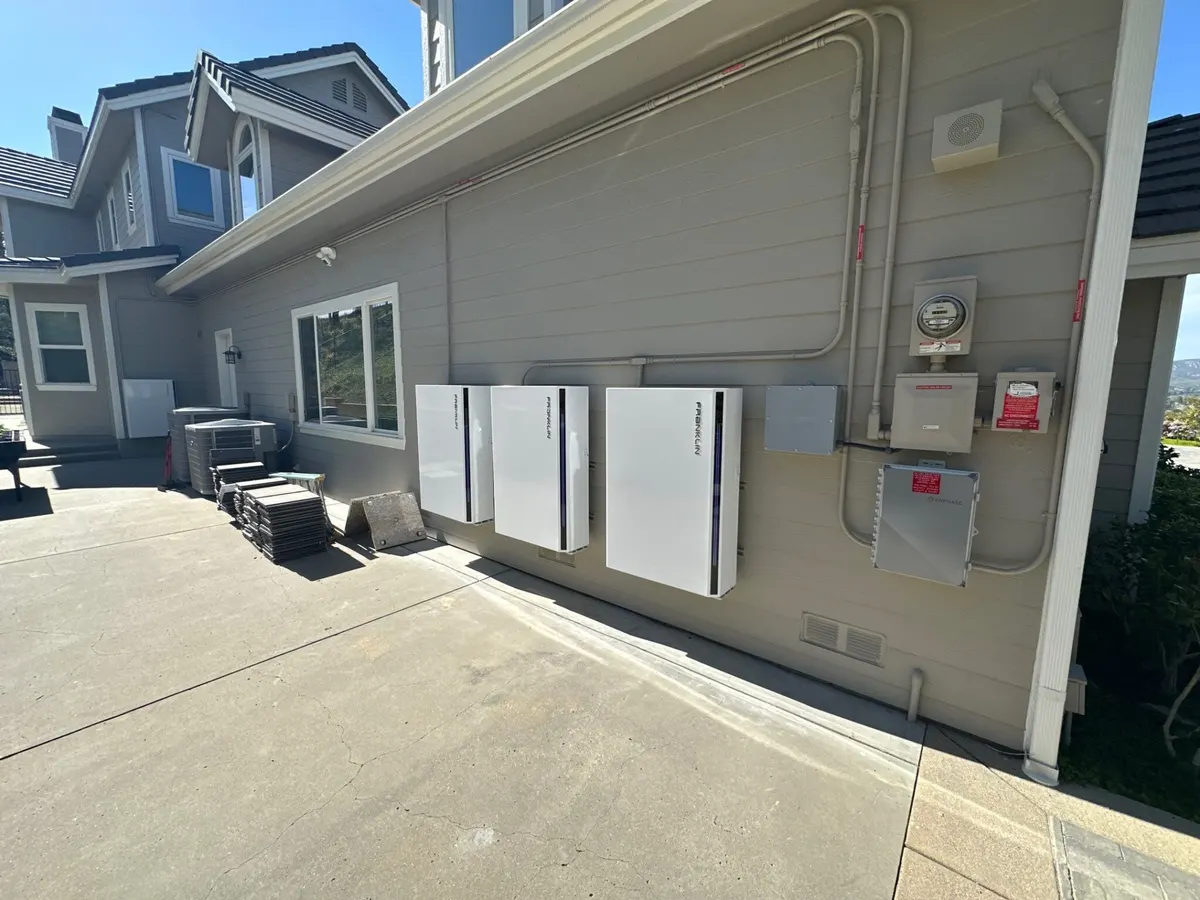
Not ready for panels, or your roof isn't a good fit? Powerwall 3 can be installed on its own. It charges from the grid, stays full and switches your home to battery power automatically when the grid goes down.
Think of it as a quiet, automatic alternative to a gas generator: no fuel to store, no extension cords, no pull-start in the dark, and no exhaust next to the house.
When the grid fails, Powerwall takes over on its own. Lights stay on, Wi-Fi stays up and many homeowners only notice when the neighbors' houses go dark.
Tesla's Storm Watch charges Powerwall to full when severe weather is forecast, so it's ready for Santa Ana wind events and planned shutoffs.
On time-of-use rates, Powerwall can charge during lower-cost hours and power your home during the evening peak. Results depend on your rate plan, so we show you the math for your utility rather than promising savings.
No oil changes, no fuel, no monthly test runs. Monitor charge level, outages and backup reserve from the Tesla app.
Powerwall 3 includes a built-in solar inverter. If you add panels later, they connect straight to the battery with no separate inverter to buy.
Depending on your utility and electrical panel, we can use Tesla's Backup Switch, Gateway 3 or Backup Gateway 2. We pick the option that fits your service, not the most expensive one.
Specifications from the Tesla Powerwall 3 datasheet. Actual backup time depends on what's running and how much energy is stored.
We start with your priorities, then size the battery and decide between essential-circuit or whole-home backup. You get a written list of what the system is designed to cover, not a blanket promise.
AWS Solar started in 2006 and has been a licensed C-10 electrical contractor serving Greater Los Angeles since 2007. Our office is in Sun Valley, and our crews work across the San Fernando Valley, the Westside, the San Gabriel Valley, the South Bay and Ventura County.
Battery installations in LA involve different rules depending on who supplies your power and who issues your permit. We handle the paperwork for:
From Santa Ana wind events and public safety power shutoffs in the foothills to summer heat-wave outages in the Valley, we design backup around how outages actually happen here.
AWS Solar is run by an electrical engineer. We review panel ratings, busbar capacity and service size before we propose anything, so you don't get surprised by change orders after the contract.
Thousands of installations later, many of our customers still call us years after their system went in, and we still pick up.
“AWS Solar did an excellent job installing our solar panels and upgrading our main electrical panel… The team was professional, knowledgeable, and kept us informed throughout the entire process.”
Luke L., Stevenson Ranch · Google“Tim Broughton at AWS Solar saved my ADU project with his professional and timely handling of installation, permits, and inspections. It is a rare pleasure to work with a complete professional.”
David C. · Google“The team was super easy to work with, answered all our questions, and made the whole process pretty smooth. No complaints at all.”
Lestligen D. · Google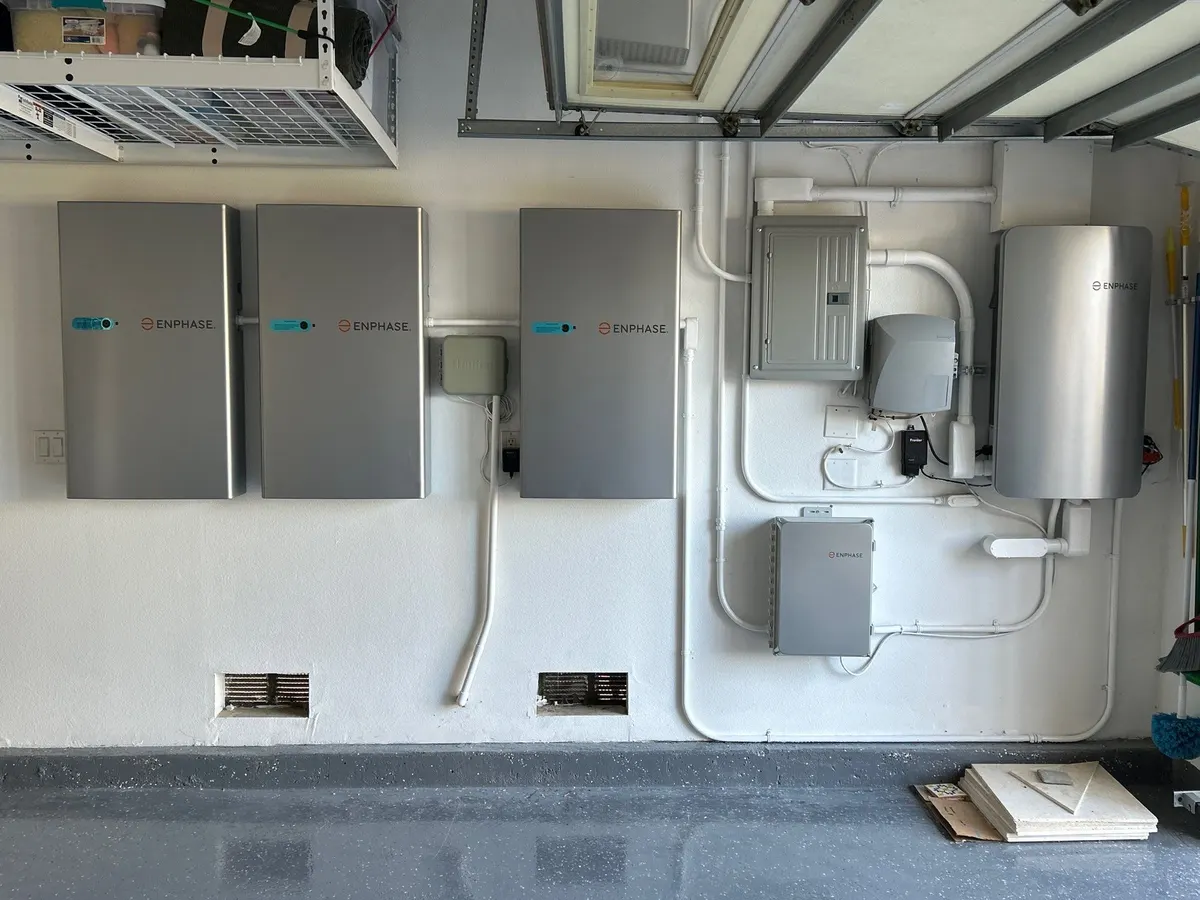
Solar or no solar, your ZIP code and what you want backed up. Takes about a minute.
We review your panel, service size and any existing solar, often from photos before a site visit.
Battery count, backup scope, electrical work and permits listed line by line.
Permits, installation, inspection, utility steps and Tesla app setup, handled by our crew.
Yes. Powerwall 3 supports existing solar from other inverter brands on the AC side. We review your inverter, system size and main panel first, because Tesla limits how much existing solar can sit on each Powerwall's backup circuit.
Usually, yes. The battery is a separate system you own. The lease or PPA company typically needs to approve the work, and we help with that request.
Yes. A standalone Powerwall charges from the grid, provides backup during outages and can shift grid use away from peak hours on time-of-use rates.
Sometimes. One Powerwall 3 delivers 11.5 kW continuous and stores 13.5 kWh, which covers essentials in most homes. Whole-home backup with central AC or electric cooking often needs more capacity. We size it to your actual loads.
With a correctly designed system, yes. The backup gateway or switch separates your home from the grid, which lets your solar keep running and recharge Powerwall during daylight.
It depends on your utility and how the battery is connected. We check your current plan and design the interconnection to fit your utility's rules, then explain any changes before you sign.
Price depends on the number of batteries, backup scope and the electrical work your home needs. We give an itemized, project-specific quote so you can compare full scope, not just the battery price.
Tell us a little about your home. A licensed AWS Solar team member, not a call center, will follow up with next steps.
Prefer to talk? Call (818) 484-3264 or email info@aws-solar.com.
AWS Electrical & Solar Inc. · 11750 Roscoe Blvd Ste 7, Sun Valley, CA 91352 · CA C-10 Lic. #901196