Tesla Powerwall 3 Home Battery Installation
Home battery backup installation in Los Angeles , Ventura and Orange County
Tesla Powerwall 3 Home Battery Installation
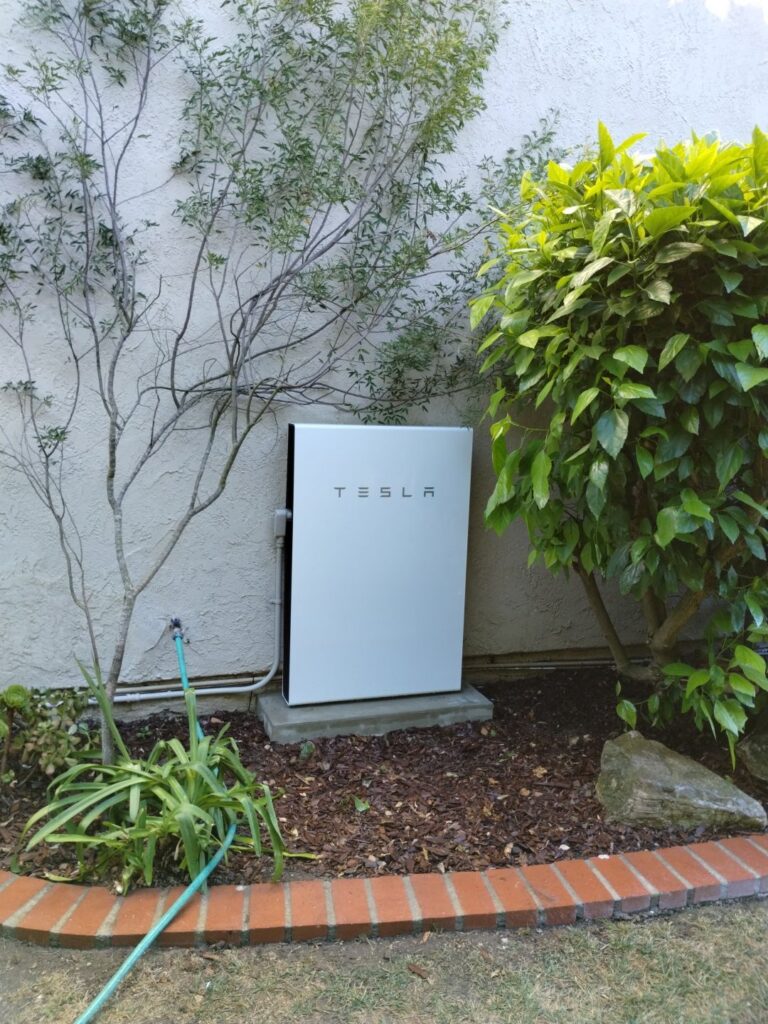
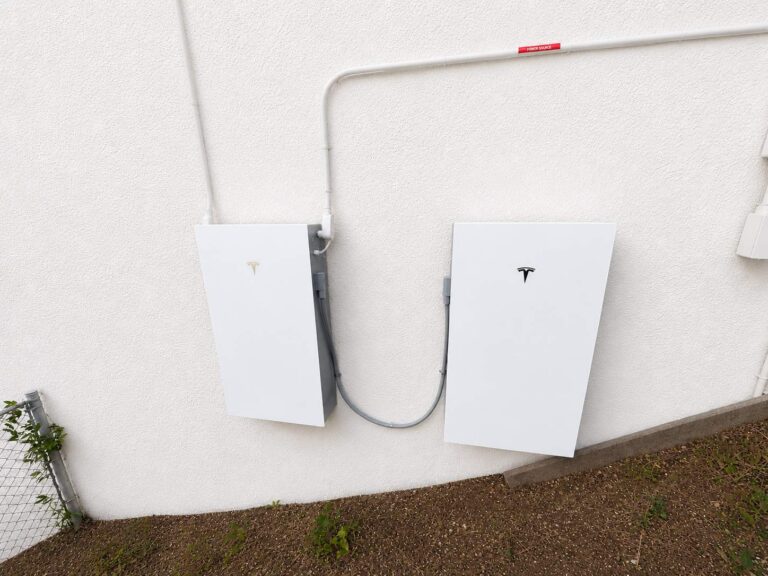
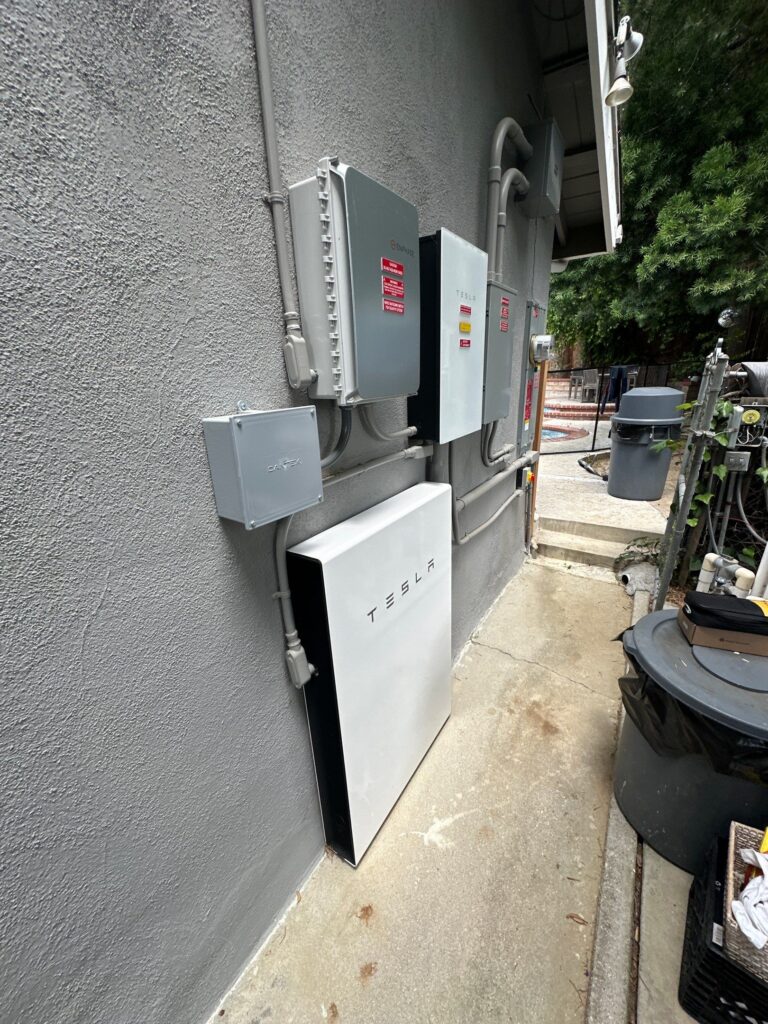
Under NEM 3.0, exporting solar to the grid barely pays anymore — the value is in storing your daytime production and using it at night, when Southern California Edison and LADWP rates are at their highest. That’s exactly what a Tesla Powerwall 3 does. Paired with solar, it turns your roof into an evening power source instead of a low-value export, keeps your lights on when the grid goes down, and puts your energy under your control.
AWS Solar has installed solar and battery systems across Los Angeles and Ventura County since 2007 — with our own licensed crews, no subcontractors. We don’t just bolt a Powerwall to the wall and leave. We size it for your home, handle your city’s permitting, and dial in the settings so it actually saves you money on your specific rate plan.
Why the Powerwall 3
Your electricity provider, rate plan, solar interconnection agreement, and backup power requirements all influence how your Tesla Powerwall 3 should be configured. AWS Solar designs battery installations around the utility serving your property and the way your household uses electricity.
Southern California Edison (SCE): Customers enrolled in SCE’s Solar Billing Plan (formerly the Net Billing Tariff) receive hourly Energy Export Credits for surplus solar electricity. Under the applicable TOU-D-PRIME rate plan, electricity prices are higher on summer weekdays from 4–9 p.m. A Powerwall 3 can store excess daytime solar generation for use during more expensive periods, potentially reducing the amount of electricity you purchase from the grid. Existing customers with earlier NEM agreements may have different billing arrangements.
Los Angeles Department of Water and Power (LADWP): LADWP operates its own Net Energy Metering program and residential electricity rate structures. Solar export credits, billing arrangements, and battery economics differ from SCE’s Solar Billing Plan. We evaluate your LADWP rate, solar system, electricity consumption, and backup requirements when planning your installation.
Burbank, Glendale, and Pasadena utility customers: Municipal utilities have their own electricity rates, solar interconnection requirements, and program rules. Your battery configuration should account for the specific utility serving your property rather than assuming the same settings apply throughout Southern California.
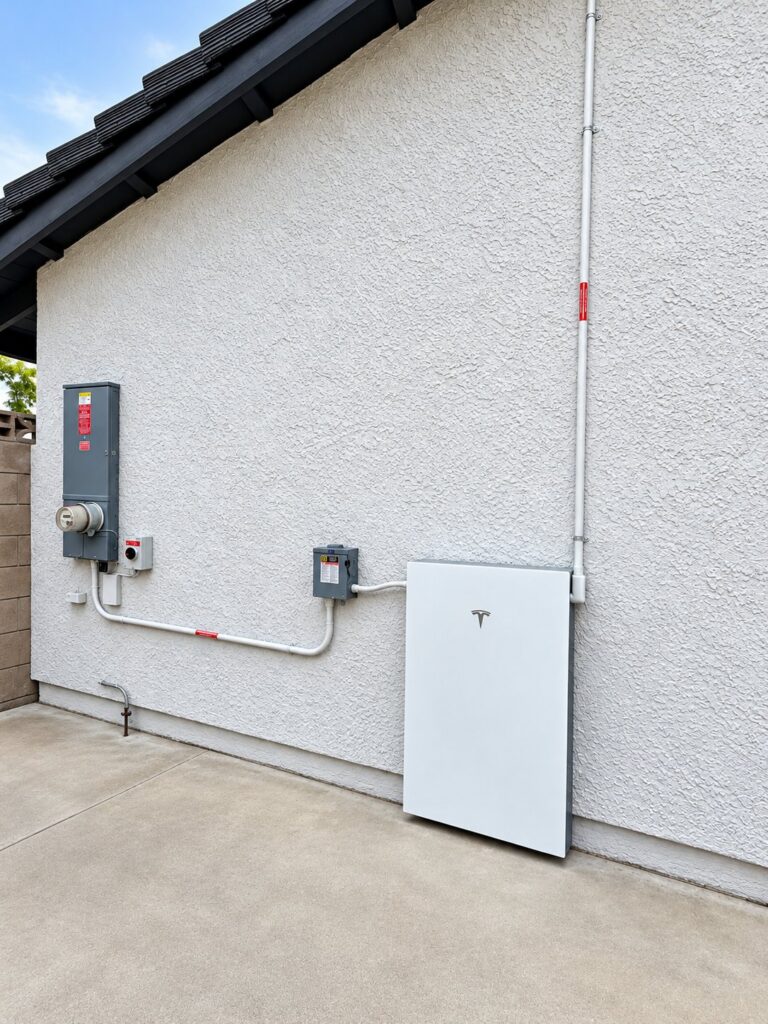
Wildfire-related outages and PSPS events: Certain California communities can experience Public Safety Power Shutoffs (PSPS) when utilities temporarily disconnect electricity to reduce wildfire risk during dangerous weather conditions. A properly configured Powerwall 3 system can provide backup electricity to connected household circuits during qualifying outages. The backup capacity needed depends on your essential appliances, electrical configuration, and desired level of protection.
AWS Solar evaluates your utility provider, electricity usage, solar production, and backup priorities to recommend a Tesla Powerwall 3 configuration suited to your home.
Why Local Utility Rules and Outage Conditions Matter
Your electricity provider, rate plan, solar interconnection agreement, and backup power requirements all influence how your Tesla Powerwall 3 should be configured. AWS Solar designs battery installations around the utility serving your property and the way your household uses electricity.
Southern California Edison (SCE): Customers enrolled in SCE’s Solar Billing Plan (formerly the Net Billing Tariff) receive hourly Energy Export Credits for surplus solar electricity. Under the applicable TOU-D-PRIME rate plan, electricity prices are higher on summer weekdays from 4–9 p.m. A Powerwall 3 can store excess daytime solar generation for use during more expensive periods, potentially reducing the amount of electricity you purchase from the grid. Existing customers with earlier NEM agreements may have different billing arrangements.
Los Angeles Department of Water and Power (LADWP): LADWP operates its own Net Energy Metering program and residential electricity rate structures. Solar export credits, billing arrangements, and battery economics differ from SCE’s Solar Billing Plan. We evaluate your LADWP rate, solar system, electricity consumption, and backup requirements when planning your installation.
Burbank, Glendale, and Pasadena utility customers: Municipal utilities have their own electricity rates, solar interconnection requirements, and program rules. Your battery configuration should account for the specific utility serving your property rather than assuming the same settings apply throughout Southern California.
Wildfire-related outages and PSPS events: Certain California communities can experience Public Safety Power Shutoffs (PSPS) when utilities temporarily disconnect electricity to reduce wildfire risk during dangerous weather conditions. A properly configured Powerwall 3 system can provide backup electricity to connected household circuits during qualifying outages. The backup capacity needed depends on your essential appliances, electrical configuration, and desired level of protection.
AWS Solar evaluates your utility provider, electricity usage, solar production, and backup priorities to recommend a Tesla Powerwall 3 configuration suited to your home.
Why AWS Solar
Licensed C-10 solar & electrical contractor (CSLB #901196)
The battery and the electrical work are done by the same licensed team.
Licensed C-10 electricians, in-house.
The people who quote your job are the people who install it and stand behind it.
We dial in your settings.
Time-Based Control vs. Self-Powered, backup reserve, export mode — configured for your rate plan, not left on defaults. See our guide: Tesla Powerwall 3 settings for SCE customers.
We handle your city’s permitting and utility interconnection
Including the municipal utilities most installers stumble on.
Our process
Site assessment
We review your panel, your usage, your roof, and your utility.
System design
A right-sized Powerwall configuration for your home and your backup goals.
Permitting
We pull permits and handle your city’s building department and inspection.
Installation
Our in-house crew, typically completed in a day for a standard single-Powerwall job.
Inspection & utility PTO
We manage the inspection and your Permission to Operate.
Commissioning & setup
We power it up, walk you through the Tesla app, and configure your settings so it starts saving from day one.
FAQ
Can a Tesla Powerwall 3 back up my whole home?
For most homes, yes. A single Powerwall 3 delivers 11.5 kW of continuous power and can start heavy loads like AC compressors and well pumps. Larger homes running central AC, an electric dryer, and EV charging at once may need a second unit — we size it during your assessment.
How long will a Powerwall run my house during an outage?
A Tesla Powerwall 3 provides 13.5 kWh of usable energy storage. How long it can power your home depends on the appliances connected to the backup system, their electricity consumption, and how much stored energy is available.
A system configured for essential loads such as refrigeration, lighting, internet equipment, and selected outlets will generally operate differently from one supporting central air conditioning, electric appliances, or other high-demand equipment.
When paired with a compatible solar installation, Powerwall 3 can store additional solar energy during daylight hours while operating in backup mode. However, available solar production depends on sunlight, weather conditions, system configuration, and household electricity consumption.
AWS Solar evaluates your energy requirements and backup priorities to help determine the appropriate battery configuration for your home.
Can I add more battery capacity later?
Yes. You can add Expansion units (13.5 kWh each, up to three) or additional Powerwalls as your needs grow. We design your system so it’s easy to expand.
Do I need solar to get a Powerwall 3?
No — a Powerwall can be installed for backup on its own. But paired with solar it also lowers your bill by storing daytime production for expensive evening hours, which is where the real savings are under NEM 3.0.
Is there still a tax credit for batteries in 2026?
The federal residential credit (Section 25D) expired at the end of 2025, so cash purchases no longer earn it. VPP programs, certain state and utility incentives, and third-party-owned financing can still help — we walk you through what applies to you.
How long does installation take?
A standard single-Powerwall installation is typically completed in a day, plus the permitting, inspection, and utility Permission-to-Operate timeline, which varies by city and utility.
How much does Tesla Powerwall 3 installation cost in Los Angeles or Ventura County?
The total cost depends on the number of batteries, electrical panel requirements, installation location, permitting, and whether solar panels or other equipment are being installed at the same time. Homes requiring electrical upgrades or additional backup equipment may have higher installation costs. AWS Solar assesses your property and energy needs before providing a customized quote.
Will a Tesla Powerwall 3 help lower my SCE or LADWP electricity bill?
It may help reduce electricity costs when configured to store energy and use it at times when grid electricity is more expensive. The potential savings depend on your utility rate plan, solar production, household consumption, battery settings, and applicable export compensation rules. AWS Solar evaluates your utility setup to determine how a Powerwall 3 may fit your energy goals.
Lights On. Bills Down.
Get a free Powerwall 3 assessment for your home. Get a free quote, upload your utility bill, or give us a call.
Areas we serve
We install Tesla Powerwall 3 systems across Los Angeles, Ventura and Orange County — including Thousand Oaks, Calabasas, Santa Clarita, Pacific Palisades, the San Gabriel Valley foothills, and the San Fernando Valley. See all service areas.